A Patient Becomes an Educator
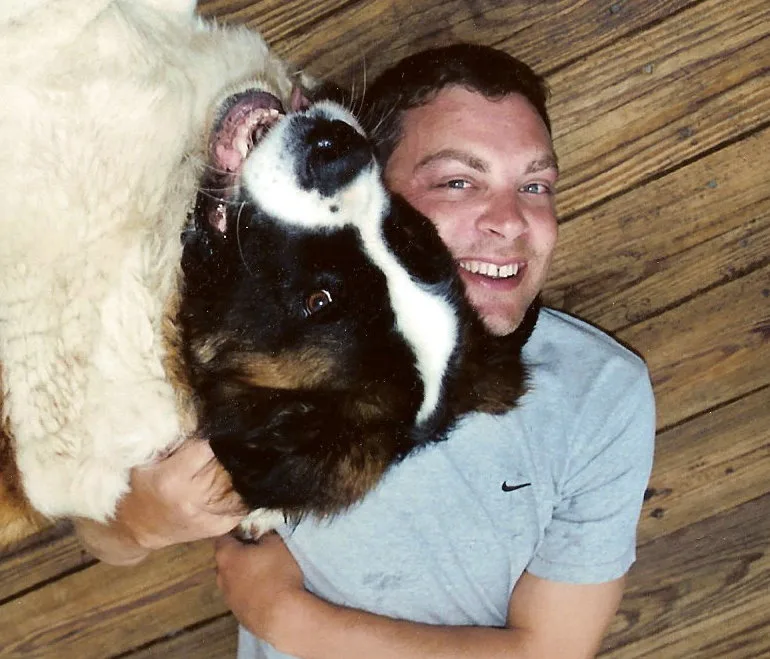
Donald was diagnosed with a malignant brain tumor. For him, that presented the opportunity to take more chances.
Listen
Transcript
My name is Donald. I’m the third. I have a grade three anaplastic astrocytoma. I’m 43 years old. It’s one of those things that you know where you are. It’s like when the Twin Towers went down or when Kennedy was assassinated. I was at my parents house and I picked up the cell phone and it was Dr. Q. And he says very clearly, Don, the biopsy came back as cancer. You’re just looking at your hands and your feet and you realize they’re never going to work the same way again. Food will never taste the same way again. And anytime I go back, it’s, that’s where my life changed. I went to work every day.
That’s what kept me going. And questions started. Why do you come to work? Why aren’t you doing what you really want to do? And that’s when I got into the public speaking. I want to talk not just about my cancer, which I do a lot, and bring that education, but I also want them to know little things, like what I had for dinner last night, what’s my favorite type of scotch, about my running.
Those things are the things that are important to me. I was actually introducing Dr. Quinones, and I walked around to the front of the podium. And I essentially poured my guts out from the bad relationships I had and the military experiences to my current job my daughter, my family. And it really struck home because when people came to me, there were tears in people’s eyes.
And even though they never had cancer, they crossed the line to empathy because they were looking at their own losses. They were looking at those lost loves, the dogs that they had, their, child’s first day at school, or, things that are very emotional. And when I tell my own story, it’s actually cathartic.
The biggest thing I get out of speaking in front of groups is to educate. I saw that there’s a lot of news and education on lung cancer, prostate cancer, and very little about brain cancer. When I went to Catholic school, the nun once said, if a piece of paper flew out of the sky and it said, the date that you’re going to die, what would you do?
And I told the audience, I have that piece of paper in my hand. I just want to make sure people understood the disease actually gives me more freedom to take more chances. It’s an opportunity.